
Article
Giogali takes centre stage at Venice Design Week 2025
A monumental installation blending light and architecture
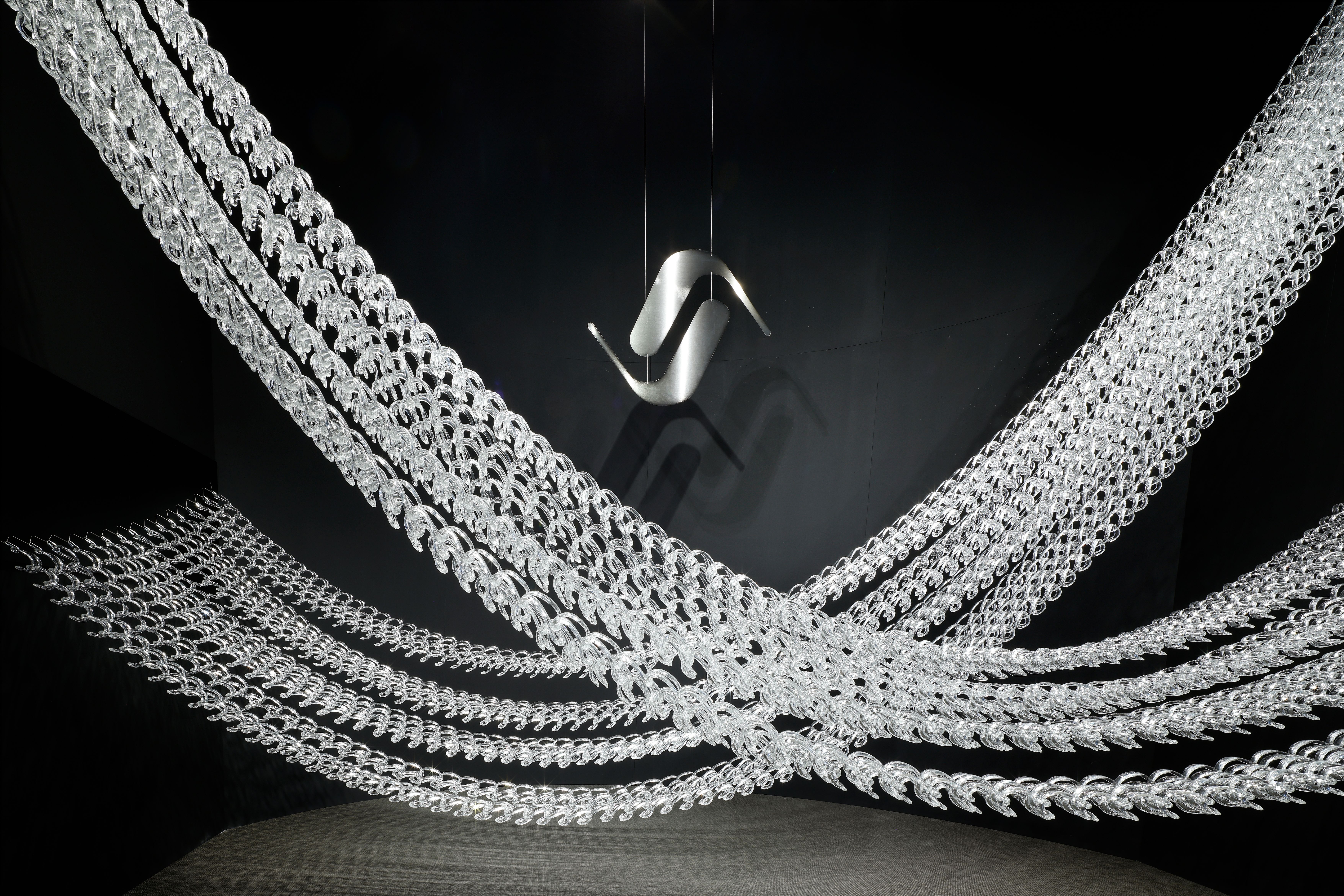
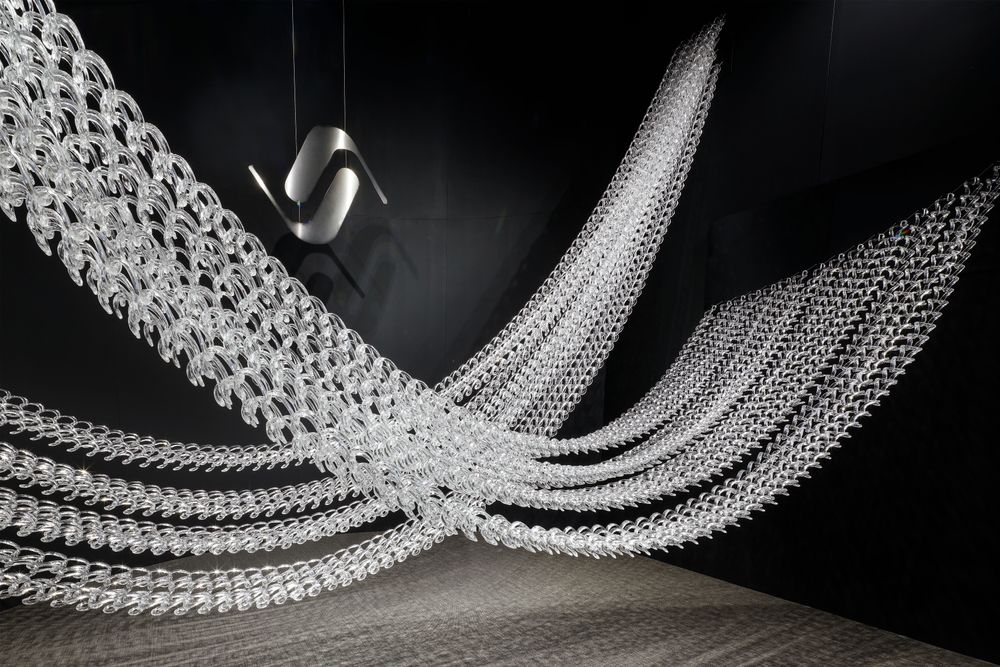
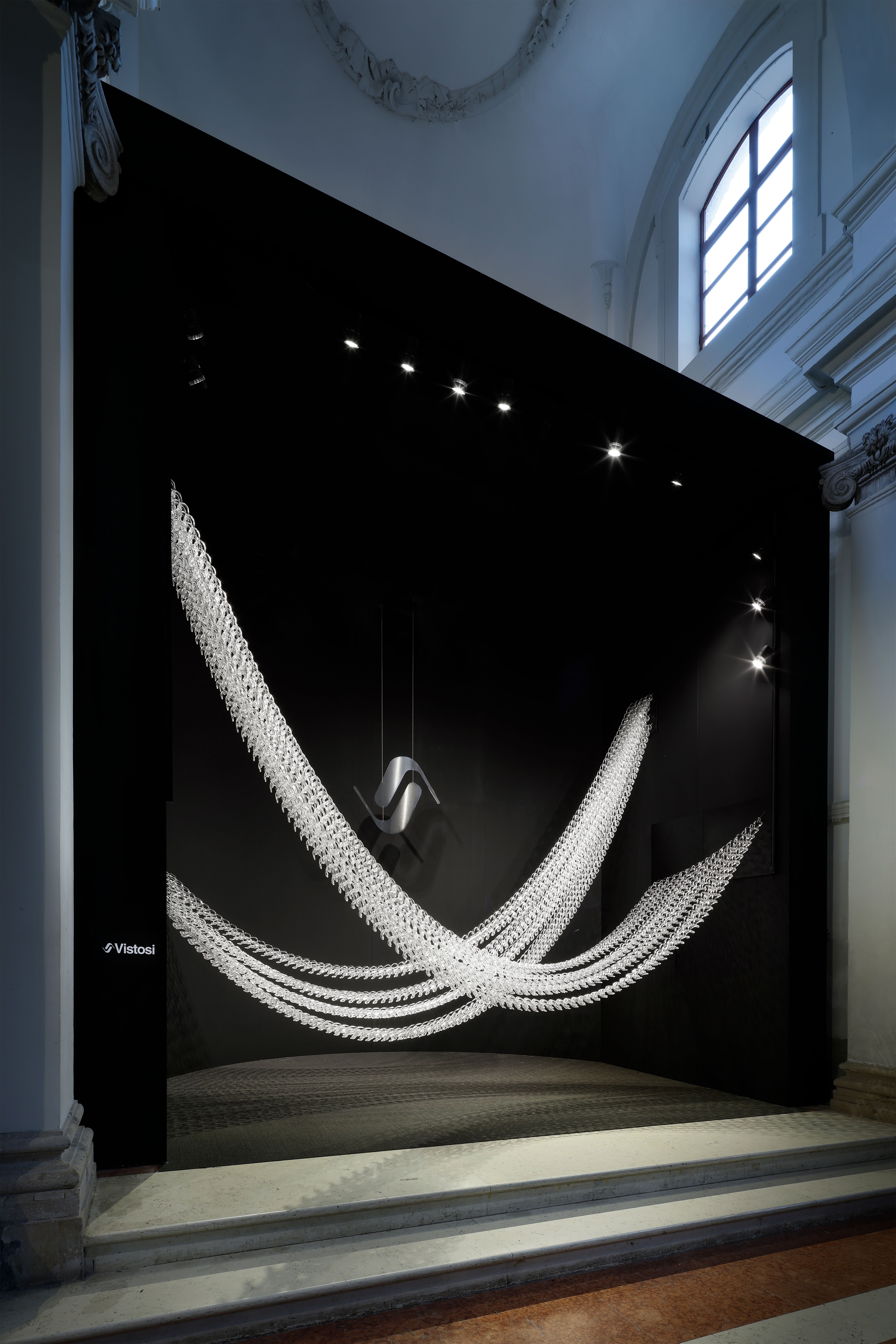
To mark Venice Design Week 2025, Vistosi transformed the Church of San Leonardo into a place of light and wonder with Giogali, a monumental installation that engages with the historic architecture through the transparency and lightness of crystal.
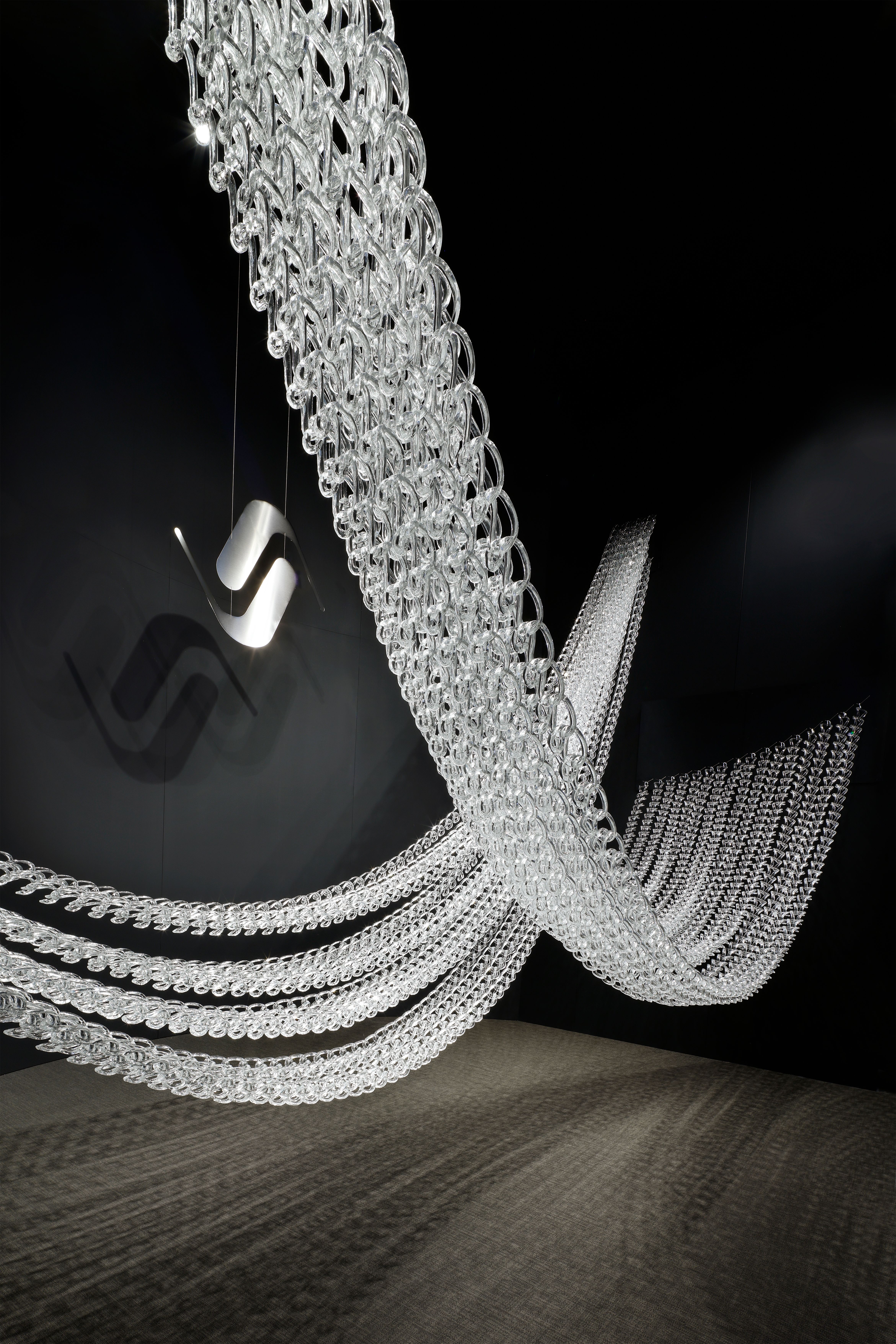
The shimmering light of its interwoven patterns enveloped the apse and the nave, creating an immersive experience in which art, design and space merge into a single narrative. This installation successfully enhanced the building’s solemnity, reinterpreting its spaces through a contemporary language.
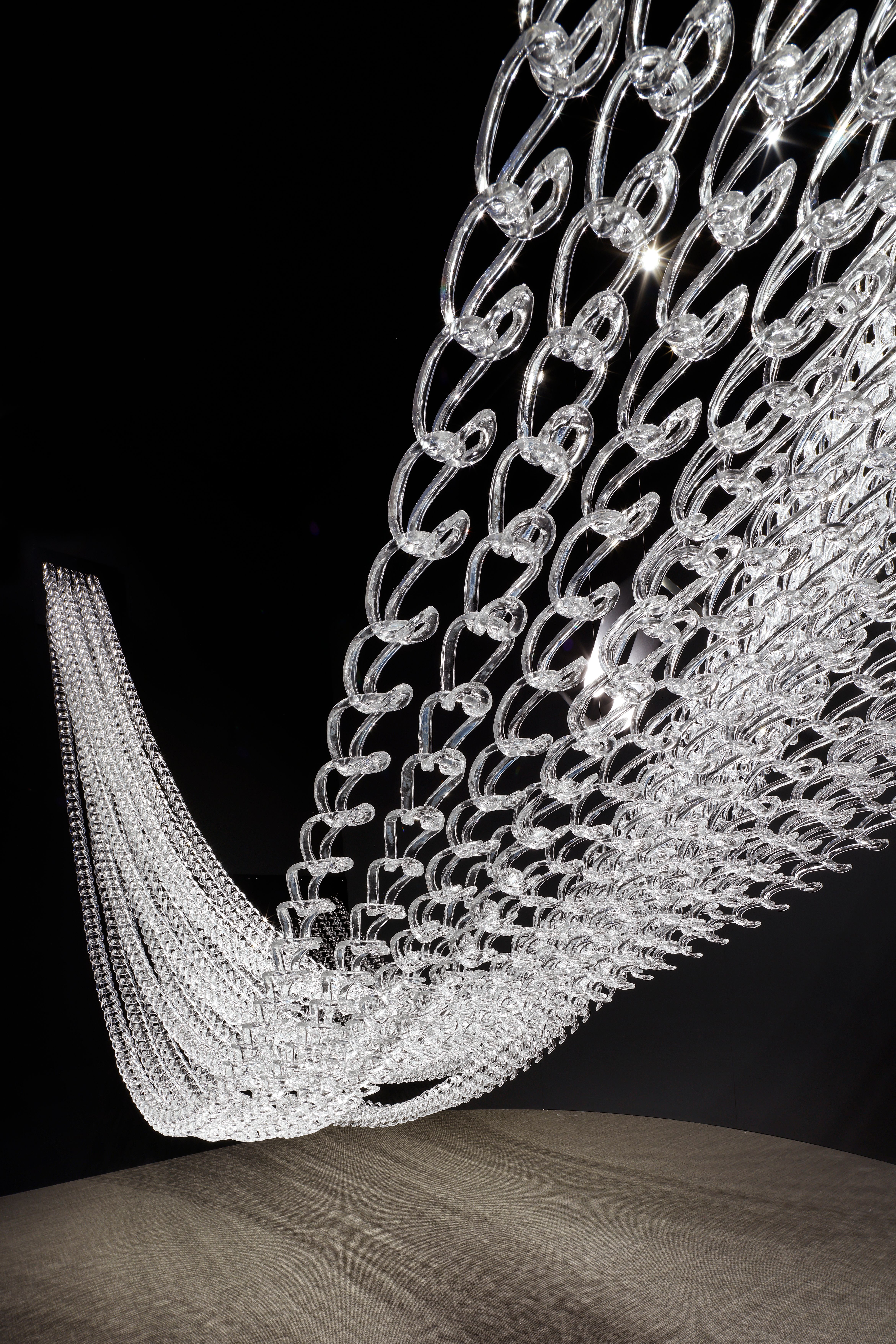
The work consists of 32 chains of hooks made of pure crystal, weighing a total of over 300 kg and standing almost five metres high. Two large luminous drapes cascade down the apse, creating a spectacular installation that highlights the transparency of the glass and its ability to shape light.
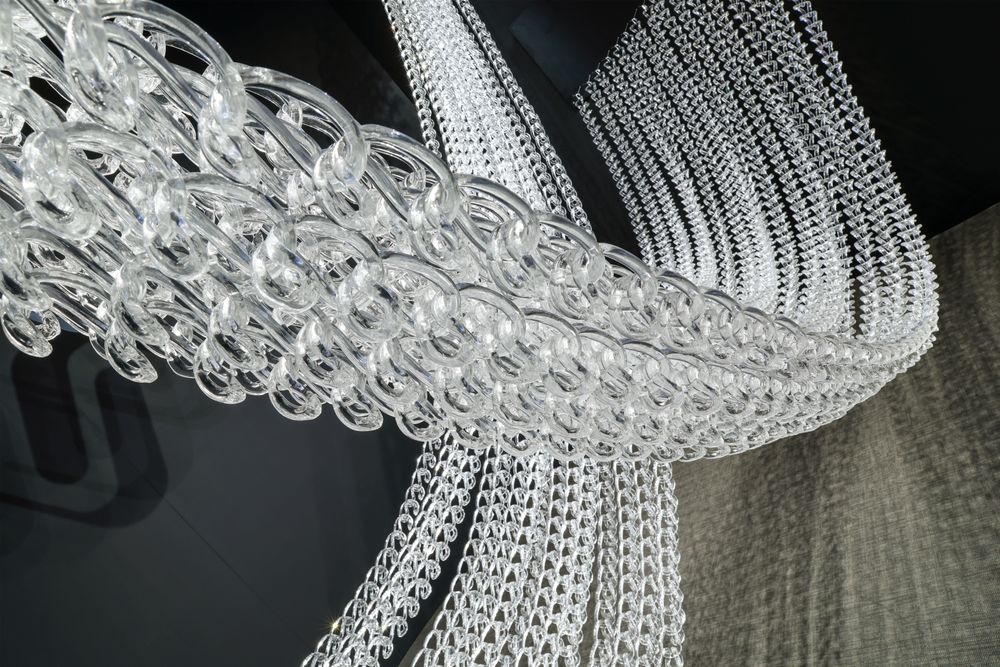
The undisputed star of the show is the Giogali modular hook, designed by Angelo Mangiarotti and first patented in 1967. Conceived as an exercise in design minimalism, the system represents a perfect synthesis of technical research, innovation and experimentation with materials.
Mangiarotti transformed a simple element into a structural module capable of generating infinite configurations. Glass, the quintessential fragile material, thus becomes structure, rhythm and architecture, demonstrating how design can emerge from the balance between function, beauty and structural intelligence.
A project rooted in tradition
The name Giogali derives from the Venetian word ‘giongher’, the strap used to attach carts to the yoke, evoking the concept of union and connection. It is precisely this idea that makes the hook the heart of the project: an element that is both functional and decorative, capable of creating ever-changing compositions.
Thanks to its modular design, Giogali goes beyond the concept of a traditional lamp to become a true design language, adapting effortlessly to both large, monumental installations and more intimate spaces.
Since its foundation in 1967, Giogali has received numerous prizes and awards, and its works have been included in the permanent collections of major international institutions, including the Murano Glass Museum, the Milan Triennale and the Museum für Angewandte Kunst in Cologne.
The system has been protected both by patent and as a three-dimensional trade mark in Europe and the United States – a distinction reserved for very few design products. Even today, in both its classic and double-clasp versions, Giogali remains one of the most iconic symbols in Vistosi’s history.
Vistosi’s masterful craftsmanship
The installation is the result of the expertise of the Vistosi team, which has successfully combined artisanal skill, technical precision and engineering know-how in a highly complex project. Every stage, from design to installation, was approached with the aim of establishing a harmonious dialogue with the architecture of the Church of San Leonardo, enhancing its proportions, verticality and natural light without altering its historical identity. The result is a project that does not impose itself on the space, but interprets it, transforming it through the lightness and transparency of the glass.
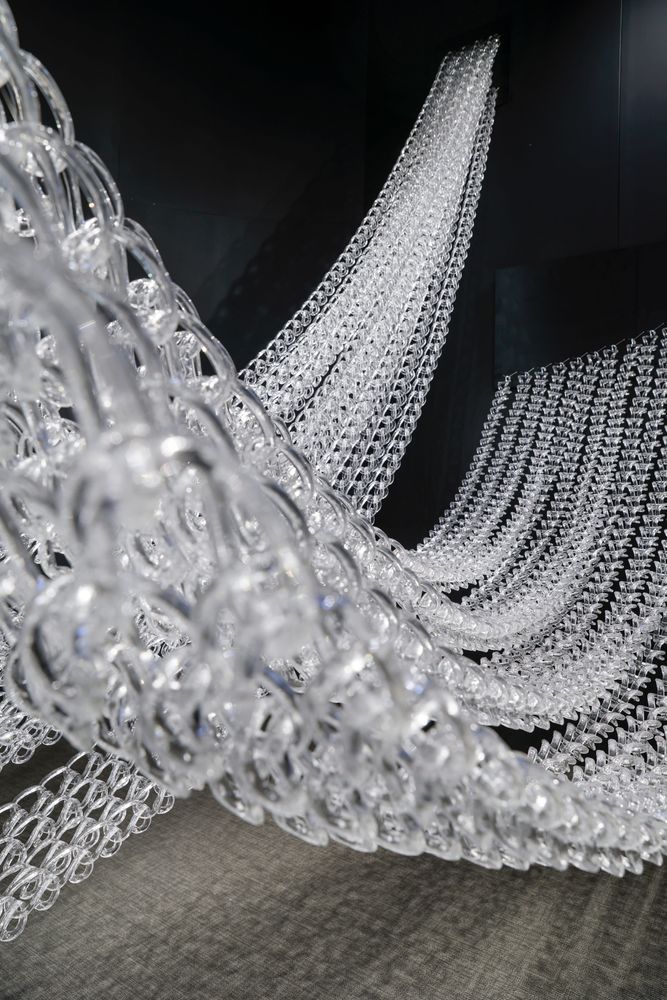
Crafted from hand-blown, lead-free crystal and protected by an eco-friendly coating, the Giogali modules embody Vistosi’s manufacturing excellence and its ongoing quest to strike a balance between tradition and innovation. Each piece is the result of the craftsmanship of Murano’s master glassmakers, who transform a seemingly fragile material into a strong, durable structural component capable of retaining its brilliance over time. This production approach combines quality, sustainability and attention to detail – values that have always set the company apart.
An architect, designer and sculptor, Angelo Mangiarotti (1921–2012) was one of the most influential figures in 20th-century Italian design. Throughout his career, he developed a rigorous and minimalist design language, based on a profound understanding of materials, technological research and experimental construction techniques. Each of his projects arose from an observation of the intrinsic qualities of the material and a desire to reduce every element to its essentials, eliminating the superfluous without sacrificing expressiveness.
Giogali represents one of the most successful embodiments of his design vision. Through a single, repeatable module, Mangiarotti created an open and versatile system, capable of generating ever-changing compositions and adapting to any architectural context. Almost sixty years after its conception, Giogali continues to be a benchmark for designers and architects worldwide, demonstrating how a genuinely innovative design can transcend passing trends and retain its expressive power intact.
The installation was a huge success during Venice Design Week, captivating visitors, industry professionals and design enthusiasts alike. The Church of San Leonardo was transformed into an immersive space, where light, reflections and transparencies interacted with the historic architecture, creating an experience that surprised and engaged the public.
Più che una semplice installazione luminosa, Giogali ha confermato la propria natura di autentico linguaggio architettonico. La modularità del sistema, la purezza del cristallo e la forza evocativa della luce hanno dato vita a un'opera in grado di raccontare la filosofia progettuale di Vistosi: trasformare il vetro in materia viva, capace di costruire lo spazio, suscitare emozioni e creare un dialogo continuo tra artigianalità, innovazione e cultura del progetto. Ancora oggi Giogali rappresenta uno dei simboli più iconici dell'azienda e la dimostrazione di come un capolavoro del design possa continuare a emozionare, ispirare e dialogare con l'architettura contemporanea.
More than just a lighting installation, Giogali has confirmed its status as a genuine architectural language. The system’s modularity, the purity of the crystal and the evocative power of the light have given rise to a work that embodies Vistosi’s design philosophy: transforming glass into a living material, capable of shaping space, evoking emotions and creating an ongoing dialogue between craftsmanship, innovation and design culture. Even today, Giogali remains one of the company’s most iconic symbols and a testament to how a design masterpiece can continue to move, inspire and engage with contemporary architecture.
© 2024 Vetreria Vistosi srlVia Galileo Galilei, 9-9/A-1131021 Mogliano Veneto – TV (Italy)T. +39 041 5903480 / +39 041 5900170Email: vistosi@vistosi.itVAT No. IT02497840278Company Register No. 01808840266REA TV Registration No. 170728Share Capital €100,000.00
©2024 Vetreria Vistosi s.r.l. All rights reserved
Subscribe to our newsletter
Follow us on


